
Ultimate Guide to Search Engine Optimization:
What You Need to Know
You’ve built a website, a blog, an online store, or a portfolio of your best work. You’re pumped to share it with the world. But when you search for it on Google… crickets. It’s like your site doesn’t even exist.
I’ve been there. Launching a website, expecting instant traffic, only to find crickets weeks later. Having a website isn’t enough; you also need SEO (Search Engine Optimization). It helps both search engines and people find you.
Think of Google like a giant library. SEO is the system that organizes books (websites) so the right readers (your audience) can find them. Without it, your site will gather dust in the stacks. Ever Googled something and clicked the first result? That’s SEO at work. The top-ranked pages don’t land there by accident. They follow SEO best practices to rank higher, attract the right visitors, and get more clicks.
What is SEO?
SEO ensures your site is easy for search engines to locate. You want your website to appear when you type “best pizza in town” or “how-to repair bicycles” in Google. The greater the SEO, the higher your website will rank. Better ranking means higher traffic. It’s like trying out for a team: if the coach (Google) views your quality content, it will pick you first. Otherwise, you’ll be on the bench. It’s not about lots of visitors, it’s the correct visitors. SEO aims to bring visitors who need what you’re presenting. For example, if you have a bakery, and people search for “best cupcake bakery near me,” good SEO makes you number one. This brings cupcake enthusiasts, your best customers, to you. They will come to your page and might even buy something. That is why good SEO matters, it brings you to them.
The Three Key Factors of SEO
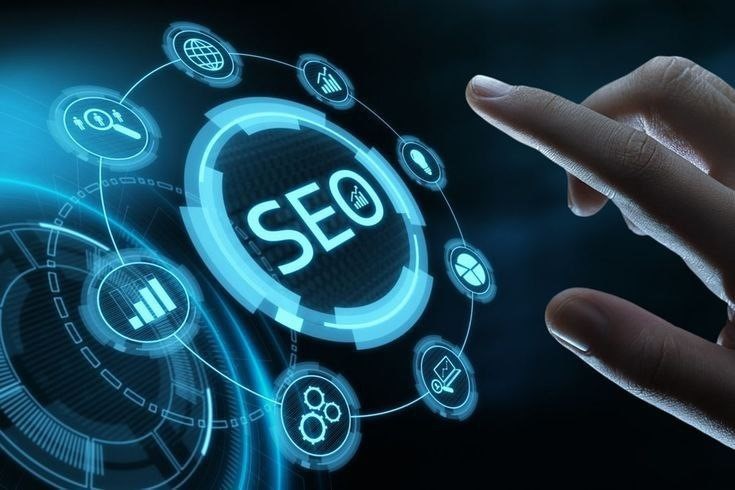
To succeed in SEO, focus on three areas:
- On-page SEO
- Off-page SEO
- Technical SEO
Optimize Your Content for SEO
On-page SEO makes your website appealing to search engines and users. If Google can’t understand your site, it won’t rank it. Here’s how to optimize your content for SEO:
Finding the Right Keywords
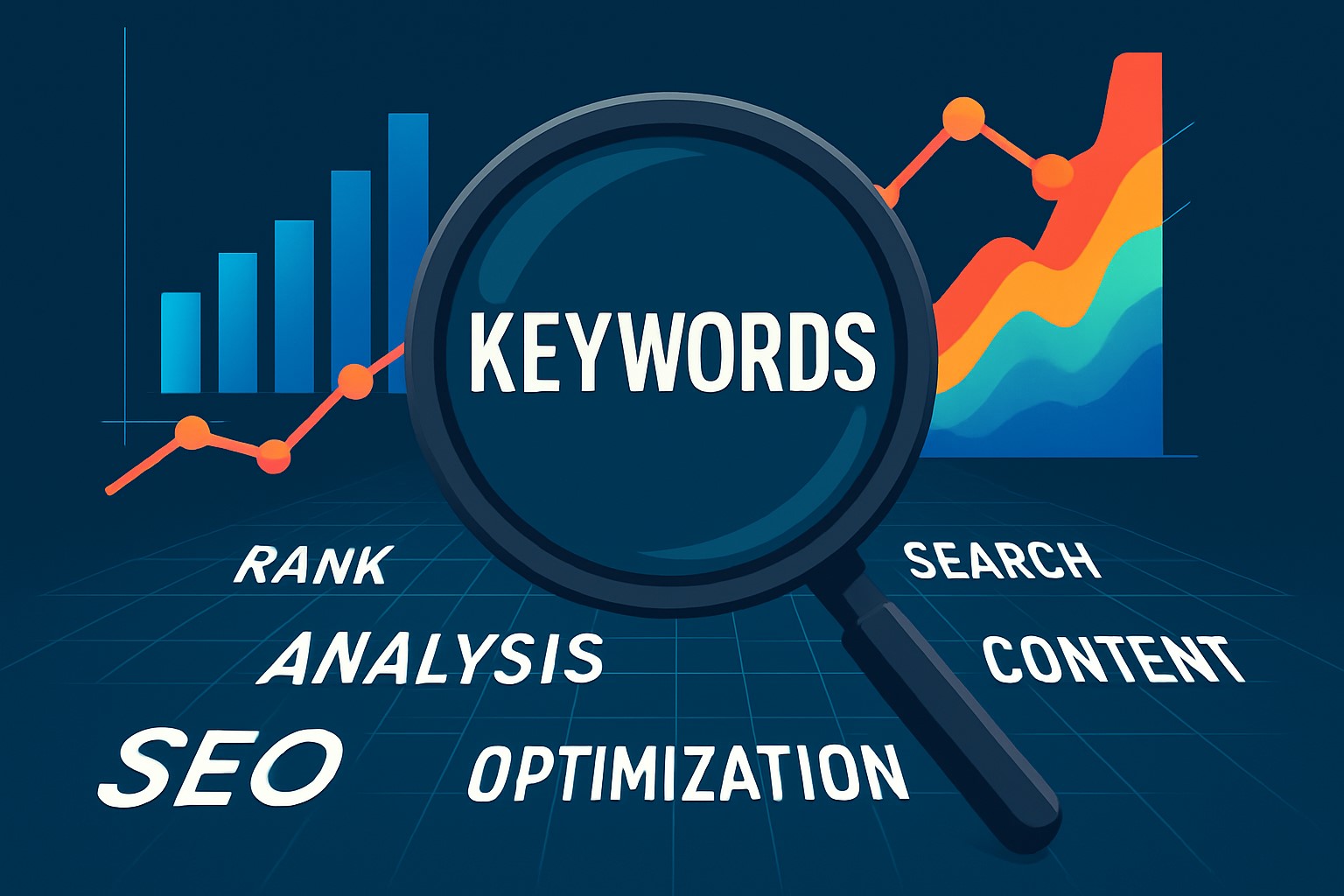
Imagine you own a pizza shop. If someone searches for “best pizza near me,” you want your website to appear. Keywords are crucial. Use tools like Google Keyword Planner to find what your audience searches for. Then, place these keywords in your:
- Headings
- Descriptions
- Titles
Ensure they fit seamlessly into the text. Don’t overdo it. It’s like adding too many toppings to a pizza, too much spoils the fun.
Creating Catchy Titles and Meta Descriptions
Your title is the first thing people see in search results. Make it count!
- Avoid generic titles like “Pizza Menu.”
- Use engaging titles such as “Best Pizza in Town: Meet Your Cravings Now!”
Make your meta description catchy. It must describe your page and encourage clicks. Organize your content for easy reading. Use headers (H1, H2, H3) to break up the text. Google and readers love clear, helpful, and interesting content. For example, instead of just listing pizza types, consider content like “Tips for Perfect Pizza Dough and a Crunchy Crust”:
- Use high-protein flour for a better texture.
- Knead the dough well for a smooth finish.
- Let the dough rise in a warm place.
Also, add pictures to make your content pop. But remember, large files can slow down your site’s loading time. Use descriptive file names for images, e.g., crispy-pizza-crust.jpg. Compress images to conserve disk space.
Off-Page SEO: Building Your Site's Authority
Off-page SEO improves your website’s reputation. Search engines see sites linked by credible sources as trustworthy.
Backlinks: The Word of Mouth on the Internet
Backlinks are other sites that link back to yours. Think of them as recommendations, Google sees them as credible.
- Focus on quality backlinks from trusted sites.
- Make shareable content, such as infographics and guides.
This will attract links and organic traffic. Avoid shady tactics like buying links, Google will penalize you!
Social Media: Marketing the News
Social media doesn’t directly drive rankings. However, it boosts traffic and builds brand awareness. You can share your content on:
Engaging with influencers and bloggers can also boost your site.
Technical SEO: The Hidden Optimization
Even with great content and backlinks, your website won’t rank if it is slow or hard for search engines to crawl. Technical SEO helps your website rank better.
Speeding Up Your Website:
A slow site annoys users and hurts your rankings. Here’s how to make it faster:
Compress images without losing quality.
Allow caching so return visitors don’t have to reload everything.
Optimize your code (CSS and JavaScript) for performance.
Use a CDN (Content Delivery Network) to speed up global loading times.
Choose a good hosting provider.
Think about the last time you left a website because it loaded too slowly. Speed is important!
Mobile-Friendliness: A Smooth Experience:
Most users browse on their phones. So, your site must be mobile-friendly. Test your site using Google’s Mobile-Friendly Test to see how it looks. If a website is tough to use on your phone, it’s irritating, right? That’s why mobile optimization is important!
Using an XML Sitemap and Robots.txt:
An XML sitemap helps Google discover and crawl your content. A robots.txt file tells search engines which pages to crawl and ignore. An XML sitemap is like a road trip map for Google; without it, search engines will miss key pages.
HTTPS: A Secure Protocol:
HTTPS ensures safety by encoding data and makes your website more trustworthy. Google prefers secure sites. Imagine entering your credit card number on a page marked “Not Secure.” Would you proceed? Exactly!
Fixing Crawl Issues & Core Web Vitals:
Use Google Search Console to find and fix crawl issues. Optimize Core Web Vitals—Google’s tools for measuring page speed, user experience, and visual stability. Have you ever been on a site where buttons don’t work or the page jumps around? That’s a bad user experience, and Google flags it!
Local SEO: How to Get Your Business Noticed by the People Around You
The Importance of Local SEO:
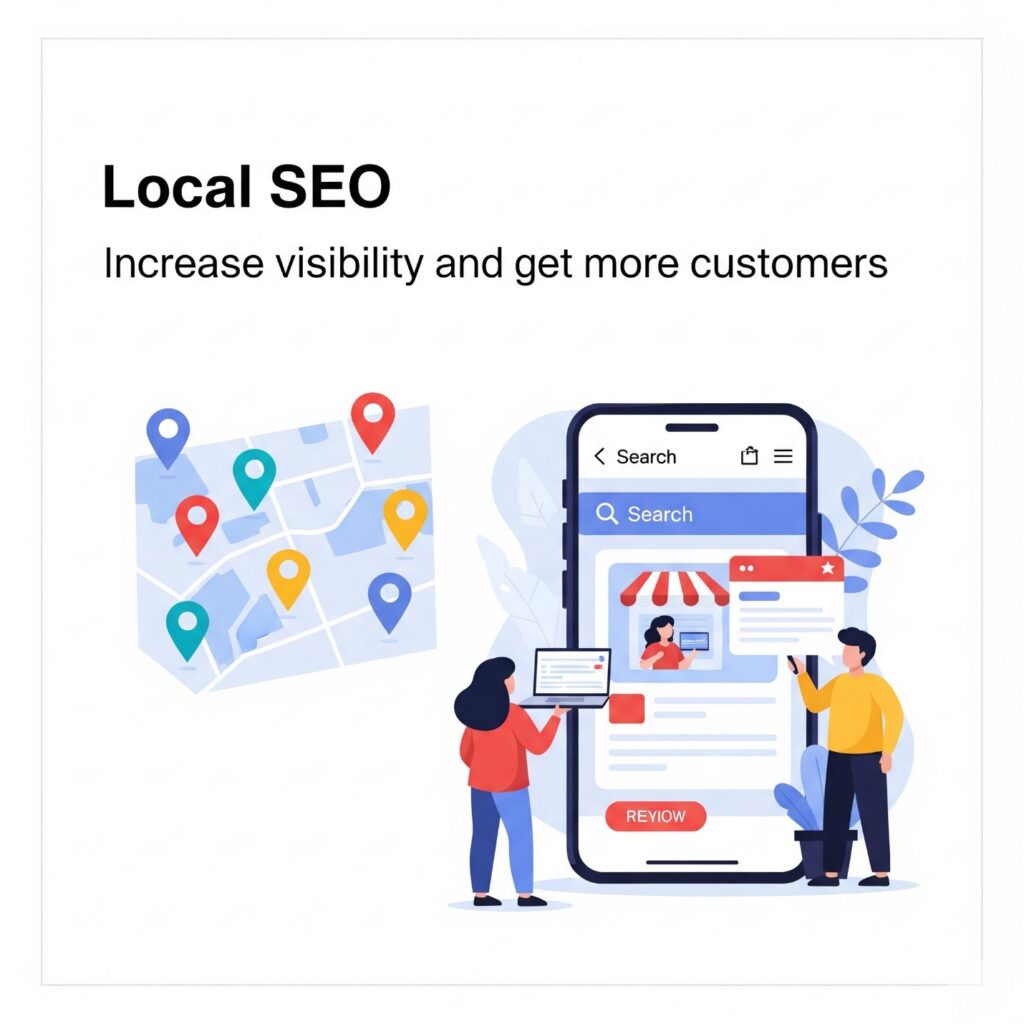
Have you ever searched for “best coffee near me”? Did you choose a place based on reviews, photos, or distance? That’s local SEO. If you run a physical business or serve a specific area, local SEO is key. It helps you connect with the right people when they need you.
Why Local SEO is Key: Picture this: you run the best pizzeria, but no one knows about you online. Local SEO helps get your business on Google Maps and local search results. This means people can find your services nearby. More visibility leads to more foot traffic, customers, and sales.
Think about how you found a local business online recently. What made you trust them? Their reviews? Photos? Complete business information?
Steps to Improve Your Local SEO
- Claim and Optimize Your Google Business Profile
Your Google Business Profile (Google My Business) is your virtual storefront. To get the most out of it:
- Claim and verify your profile.
- Complete all your details:
- Business name
- Address
- Phone number (NAP)
- Hours
- Website
- Add inviting, high-quality images and videos.
- Encourage reviews and respond to them.
Imagine searching for “the best pizza near me.” One restaurant has complete details, mouth-watering images, and excellent reviews. Another lacks key info and has no profile image. Who would you trust?
- Build Local Citations
A local citation is when other sites cite your business details. The more places you list your business, the more effective it becomes. Some of the best places to list are:
- Google Business Profile
- Yelp
- Yellow Pages
- Local directories
- Chambers of Commerce
Local citations are like word-of-mouth. The more that’s said about you, the more Google trusts you—and ranks you up.
- Get and Respond to Customer Reviews
Reviews count; they directly impact your ranking. Businesses with higher ratings rank higher in search. How to Get More Reviews:
- Ask happy customers to leave a review on Google, Yelp, or Facebook.
- Make it easy by emailing them a direct link.
- Always respond to all reviews (good and bad) to show that you care.
It feels good when a company replies to your review, right? Speaking to customers makes them feel valued. Potential customers also notice that you care.
- Use Local Keywords
You need the right words for others to find you. Local keywords connect you with people searching for your services nearby. Examples:
- “Best bakery in [Your City]”
- “Affordable plumbers near me”
- “Highly rated yoga studio in [Neighborhood]”
Think of a local business in your area that stands out. They’ve got their local SEO down!
- Rank for “Near Me” Searches
Voice search and mobile search are becoming more prevalent. If someone types “best sushi near me,” you want your business to show up first. How to Rank for “Near Me” Searches:
- Make sure your website is mobile-accessible.
- Use location-related keywords in your content.
- Ensure your business name, address, and phone number (NAP) are the same everywhere.
You’re out running errands and need coffee. You search “best coffee near me” on Google. Your business showing up is the goal.
SEO Tools and Resources
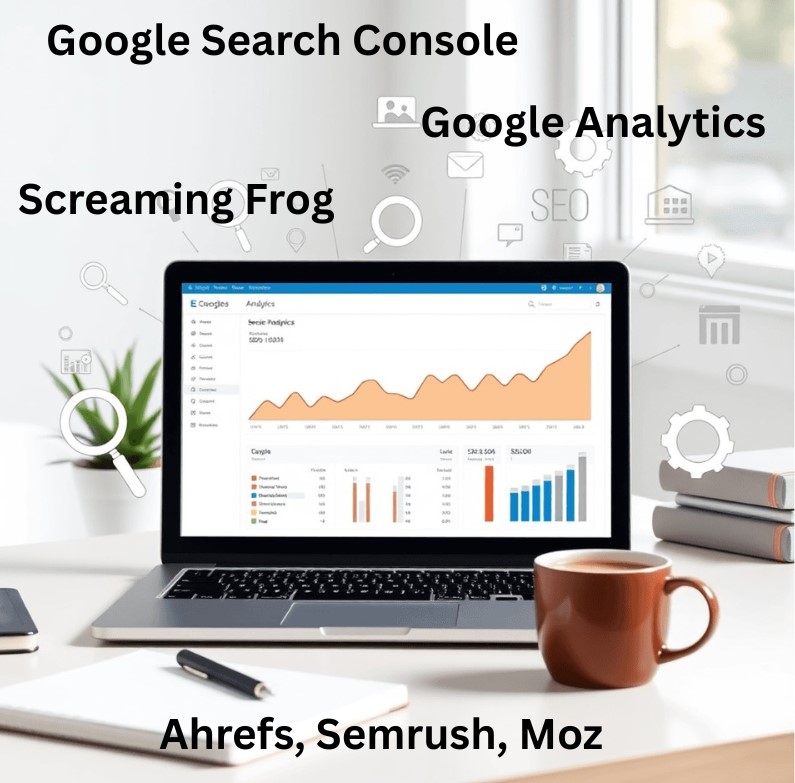
- Google Search Console: Shows how your website looks on Google, crawl errors, and keyword rankings.
- Google Analytics: Measures your traffic, user behavior, and conversions.
- Ahrefs, SEMRUSH, and Moz: Help with keyword research, backlinking, and competitor tracking.
- Screaming Frog and Sitebulb: Audit tools that crawl your site for problems like broken links and slow loading.
- Yoast SEO & Rank Math: Meta description and content optimization plugins for WordPress.
- Keywords Everywhere: A browser extension for keyword data on the go.
Not keeping an eye on SEO is like hosting a party but never sending invitations—no guests!
Keyword Research Tools
Keywords are the foundation of SEO. These tools help you find the best ones:
- Google Keyword Planner: A free tool for searching volume and competition.
- Paid tools like Ahrefs and SEMrush: Provide detailed keyword difficulty and trend research.
- Ubersuggest: An affordable option for keyword research.
Think of keywords as recipe ingredients. Get the wrong ones, and your dish (or content) will be off!
Backlinks and Site Audit Tools
Backlinks tell Google that your website is trustworthy. Use the following tools to manage them:
- Ahrefs and Majestic: Help you track backlinks. You can see what your competitors are doing and find link opportunities.
- LinkMiner: Helps you find broken backlinks so you can reclaim lost traffic.
A single backlink from a prominent site can significantly increase your rankings.
Site Audit Tools:
Technical SEO ensures your website operates without issues. These tools help:
- Screaming Frog and Sitebulb: Flag broken links, duplicate content, and other site problems.
A site audit is like a car check-up. Don’t overlook problems, or your rankings might fall apart!
Free vs. Paid SEO Tools
- Free: Google Search Console, Google Analytics, and Keyword Planner.
- Paid: Ahrefs, SEMrush, Moz (more data, greater insights).
Begin with free tools and then upgrade as your SEO plan develops.
Avoid These Common SEO Mistakes (So Google Doesn’t Ghost You)
1. Keyword Stuffing & Over-Optimization
Ever met someone who repeats themselves nonstop? That’s keyword stuffing. Jamming too many keywords into your content makes it unreadable,and Google’s not a fan.
Fix it: Use keywords naturally and focus on value. Write like a human, not a robot.
- Duplicate Content
Copy-pasting content from other sites (or even your own pages) confuses search engines. It’s like having two different road signs for the same street, Google doesn’t know where to send traffic.
Solution: Use canonical tags to tell Google which page is the main one.
- Ignoring Mobile Optimization
More people browse on their phones than desktops. If your site isn’t mobile-friendly, visitors bounce fast.
Imagine this: You’re trying to read a menu on your phone, but the text is tiny, and the buttons don’t work. Frustrating, right? That’s how users feel when your site isn’t optimized for mobile.
- Buying Backlinks
Backlinks are like friendships, real ones matter, fake ones don’t. If you buy backlinks, Google will eventually catch on and hit you with a penalty.
Do this instead: Earn links naturally through high-quality content, guest posts, and outreach.
- Neglecting Technical SEO
Even great content can flop if your site has slow load times, crawl errors, or broken links.
Quick fix: Run regular SEO audits to check for:
✔️ Slow-loading pages
✔️ Broken links
✔️ Missing meta tags
- Not Tracking SEO Progress
SEO isn’t a “set it and forget it” game. If you’re not tracking progress, you won’t know what’s working.
Easy fix: Use Google Search Console and Google Analytics to monitor traffic, keyword rankings, and conversions.
How to Measure & Track SEO Success
🚀 Key Metrics to Watch:
- Organic Traffic: How many people find you through search?
- Keyword Rankings: Are your target keywords moving up?
- Bounce Rate: Are visitors sticking around or leaving fast?
- Conversion Rate: Are visitors taking action (buying, signing up, etc.)?
- Backlinks: Are high-quality sites linking to you?
🔎 Tracking Keyword Rankings:
Use Google Search Console or SEMRUSH to see where you stand. Imagine training for a marathon but never checking your progress. Tracking rankings keeps you on pace.
🔗 Analyzing Backlinks:
Use Ahrefs or Majestic to check who’s linking to you. More quality backlinks = better rankings.
📈 Creating SEO Reports:
No need for fancy spreadsheets, just highlight wins and areas for improvement.
Conclusion
SEO isn’t a one-time task; it’s a continuous process of improvement and adaptation. While the world of search engines may seem complex, the fundamental principles of SEO are rooted in a simple idea: providing the best possible experience for users. By focusing on creating valuable, well-structured content (On-page SEO), building your site’s credibility through quality backlinks (Off-page SEO), and ensuring a fast, secure, and user-friendly technical foundation (Technical SEO), you’re not just optimizing for algorithms, you’re optimizing for people. Whether you’re a local bakery looking to attract customers or an online store aiming for global reach, a strong SEO strategy is the key to unlocking your website’s full potential. The journey from “crickets” to a thriving online presence is a marathon, not a sprint. By avoiding common pitfalls, leveraging the right tools, and consistently tracking your progress, you can build a sustainable, high-ranking website that attracts the right audience and achieves your business goals. Remember, the goal isn’t just to be found,it’s to be the trusted, authoritative answer to your audience’s questions, ensuring that when they search for what you offer, your site is the first one they see.
Do you want to grow your online presence? Contact us for professional SEO services today.